-

Vilma Topolšek distributes štruklji filling for dough, Tourist farm Urška, Southern Pohorje - Aljoša Videtič
-

Signpost for the Podpečan farm in Galicija, Savinja Valley - Maja Godina Golija
-

Podpečan Farm in Galicija, Savinja Valley - Maja Godina Golija
-

Milk products at the Podpečan farm, Galicija, Savinja Valley - Maja Godina Golija
-

Štuklji ready for sale at the Podpečan farm, Galicija, Savinja Valley - Maja Godina Golija
-

Cooking štrukelj wrapped in a napkin - Maja Godina Golija
-

Contemporary style of štruklji serving - Maja Godina Golija
-

Contemporary style of štruklji serving - Maja Godina Golija
-

Preparation of Štruklji - Miha Peče
-
2011

2018


2019


Štruklji (rolled dumplings)
Štruklji (rolled dumplings) are a typical Slovenian dish, popular in all Slovenian Alpine regions. Most often they are prepared from thinly rolled-out, unleavened dough where various types of filling are spread, shaped into a roll. Štruklji are cooked or they can also be baked, and are served sweet or savoury. When cooked, they are served in a soup or as a side dish to main meat dishes, e.g. beef in gravy, game goulash or venison steak in gravy. However, they can also be served larded with buttered breadcrumbs as a standalone dish. Today, štruklji are popular mainly as a dessert at the end of the meal, i.e. with buttered breadcrumbs and sweetened with powdered sugar, or with honey dressing poured over.
The preparation of štruklji (rolled dumplings) varies considerably across the regions, while the form and composition of the dish are common to all of them. Štruklji enjoyed across the Upper Carniola (Gorenjska) region are made from buckwheat dough and filled with cottage cheese, walnut, crackling or blueberry stuffing. The cooking technique used there is different from that of most other Slovenian regions, since they are steamed rather than boiled in water. In the Styria (Štajerska) and Carinthia (Koroška) regions, štruklji are generally prepared with filo dough made from wheat flour. Cottage cheese filling is then spread on the dough, whereas tarragon, poppy and walnut can also be added to the mix. Štruklji stuffed with cottage cheese are called cheese štruklji, and this variant is the most famous and popular across Slovenia. An important ingredient of štruklji is the cottage cheese, which is the reason behind their predominant preparation on farms with enough cattle where there was no shortage of milk and where cottage cheese was produced in larger quantities. Sour cream as well as salt and eggs are added to the cottage cheese to make the filling, while chefs and housewives in some regions of Slovenia also add various herbs, e.g. chives, and from this mix prepare their štruklji filling. The filling is spread on a thin dough layer, which is then wrapped in cloth and put in boiling water like that. When cooked, the štruklji are unwrapped, rested to cool down and set, then larded with fried breadcrumbs and cut into slices to serve.
The general recipe for the preparation of raw štruklji is as follows: knead the dough from soft flour, fat, water, eggs and vinegar, and let the oiled loaf sit covered for half an hour. Roll it out a bit or, even better, stretch it by hand, then prepare the filling from cottage cheese, raw butter, sour cream, eggs and some groats, spreading it generously across the dough. If the filling is too runny, sprinkle it with semolina. The dough is then wrapped into a roll, further wrapped into a wet but not dripping tablecloth strewn with bread crumbs. The štrukelj is cooked for about half an hour in salted boiling water.
In the 19th and early 20th century in the Alpine area, štruklji were famous as a refined farinaceous dish prepared for fasting days (Lent) prior to important calendar and religious holidays, e.g. before Easter, during major works e.g. harvesting, grass cutting and threshing, and on the occasion of celebrations. On Pohorje, one couldn't imagine a wedding without štruklji filled with cottage cheese, sour cream, sugar and eggs. After the 2nd World War, štruklji began disappearing from the menu of most families. This was due to their rather time-consuming preparation, as well as an increase in the popularity of modern fried dishes which do not pair well with štruklji. In the past two decades, interest in preparing and enjoying štruklji has again been on the increase. According to Martina Podpečan from Galicija in the Savinja Valley, who prepares štruklji not only for her family and guests at their tourist farm but also for retail sale, the trend is connected with the growing interest among young families in hearty homemade agricultural products, traditional Slovenian dishes and healthier foods. In her opinion, this generation is also raising awareness about the importance of traditional home Slovenian dishes among the middle-age and older generations. Such dishes thus appear to appeal to young people from urban areas who aren't too familiar with them at home, and štruklji have fallen into that category; while in the rural areas, knowledge about the preparation of štruklji has been preserved by housewives of the grandparent generation. People who now mostly buy, prepare and enjoy štruklji are thus town dwellers, i.e. those who visit the countryside or whose palate craves these dishes on special occasions like personal and annual holidays, or when dining outdoors. Contemporary catering establishments serve novel types of štruklji, for example cooked au gratin with sour cream or served with forest fruits.
Still, štruklji are not a common everyday food. Eating štruklji is mostly associated with festive dishes or special meals enjoyed in catering establishments. The frequency of consumption is similar to that in the past, when štruklji were reserved for special occasions or important periods. This is also depicted by an old Slovenian proverb saying: "Turnip and carrot – living in squalor; štruklji and meat – now, that's it!"
HISTORICAL-ANALYTICAL NOTES
Štruklji – rolled dumplings filled with stuffing are an old, highly cherished dish in the Slovenian Alpine region. In the narrative tradition of local folklore, for example in proverbs, štruklji often represent a premium food, similar to white bread and meat. Due to their popularity and prevalence, it is safe to state they are the most famous Slovenian farinaceous dish. They are most often cooked, while baked štruklji with various fillings also appear. Ethnologist Boris Kuhar notes the oldest preserved štruklji recipe dates back to 1589. It was written by the court chef at the then-court of the Archduke in Austrian Graz, as a recipe for the preparation of "Slovenian tarragon štruklji". Gradually, štruklji spread from aristocratic cuisine to bourgeois and rural kitchens. In the ethnographic records on the life and culinary tradition in the 19th century Slovenian Alpine region, štruklji are often mentioned as a premium and festive dish. In the mid-19th century, author Janez Trdina in his description of the life in Mengeš refers to them as a dish that was served to threshers. Gorazd Makarovič notes, in his ethnological study on the nutrition of Slovenes in the 19th century, that štruklji were served in Upper Carniola (Gorenjska), Carinthia (Koroška), Lower Carniola (Dolenjska) and Styria (Štajerska) regions during major farm works and holidays. In each Slovenian Alpine region they are prepared according to a particular method; buckwheat štruklji with cottage cheese, blueberry or walnut filling are among the most popular.
LEARNING AND TRANSMISSION
Most of the knowledge and recipes on štruklji preparation is transmitted within peasant families from generation to generation. Frequently, the grandmother would teach the mother how to prepare traditional štruklji, imparting this knowledge from an early age in the household. Housekeepers do not write instructions for the preparation of štruklji but rather carry them orally, most often without weighing the ingredients. Today, students are also being taught how to prepare štruklji at the secondary and higher catering schools in Maribor and Celje. Associations of rural women in the Savinja Valley and across Pohorje organize courses for the preparation of štruklji, and agricultural promotion services are included in the preservation and expansion of this knowledge as well. Thus, field agricultural consultant Andreja Žolnir from Žalec encourages rural women to prepare this traditional dish and organize lectures and workshops on the production of štruklji. Knowledge of štruklji is also preserved and developed by some culinary events and competitions, for instance the Štrukljijada in Kobarid and the possibility of selling štruklji on markets and in certain shops. In 2017, a shop was opened on the central market in the Slovenian capital Ljubljana, in which various types of štruklji from the Slovenian Alpine area are offered.
COMMUNITY
In the Savinja Valley and in Pohorje, štruklji had been a venerable traditional dish up until the Second World War when they gradually began disappearing from festive and everyday menus. Knowledge about their preparation was preserved in particular by a narrow circle of farm householders who cooked them occasionally at home. With the assistance of experts and agricultural promotional services, awareness of their importance for Slovenian cuisine and culinary art in the region has been on a steady rise again throughout the past three decades.
Today, štruklji are an important factor of economic development in the area under consideration. The dish has become a significant component of the catering offer in the Savinja Valley and Pohorje, where štruklji are prepared in various ways on tourist farms and featured to great extent as a traditional specialty on the tourist websites of local municipalities, for example the municipality of Žalec. Some farm housekeepers, the main bearers of this element of heritage, are working on larger quantities for retail sale. Štruklji have become an important part of the local identity and a recognizable component of the traditional cuisine of the region, which is increasingly appreciated by young families and visitors from the cities. Interest in their consumption rose to an extent where the parents of children attending the Žalec elementary school asked for a more frequent appearance of the home dish on the shcool menu. As a result, housewives from the Savinja Valley prepare large quantities of raw štruklji to be sold to the primary school three times a year.
PROMOTIONAL ACTIONS
Our field work did not record the organized acts of societies or political and economic factors for the protection of štruklji. We can, though, state the efforts of certain ethnologists who studied this dish, wrote about it, taught at various courses and in catering schools and tried to preserve the traditional recipes for preparing the štruklji dish, striving for its further development and use in modern times. Štruklji have been explored and presented in the context of certain European heritage projects, for example within the framework of the Etnofolk project. Cookbooks issued in recent years are also contributing to the preservation of this food, representing the preparation of štruklji.
Awareness of the importance of this Slovenian folk dish is also greatly enhanced by the activities of the agricultural councils and associations of rural women who organize courses, lectures and exhibitions concerned with štruklji. In Gorenjska and Štajerska, štruklji are often part of the cuisine presented at the culinary exhibitions of rural households. Interest in the štruklji dish and its conservation is also enhanced by some festivals in the area, for example the Štrukljijada within the Jestival in Kobarid, or the culinary fair in the framework of the Kravji Bal in Bohinj.
Related Intangible Heritage
Growing and processing buckwheat
Growing and processing buckwheat
Rateče dumplings
Rateče dumplings
To learn more
Web Sites
Bibliography
Slovenske narodne jedi [Slovenian National Dishes]
Centralni zavod za napredek gospodinjstva 1965
Štruklji. 100 izbranih receptov za tradicionalno slovensko dobroto
Cankarjeva založba 2015
Slovenski etnograf - Prehrana v 19. stoletju na Slovenskem
Slovenski etnografski muzej 1991
Produced by
Research Centre of the Slovenian Academy of Sciences and Arts - Institute of Slovenian Ethnology - Miha Peče
Scientific Advisor
Godina Golija, Maja
Release Date
28-AUG-2018 (Miha Peče )
Last update
24-SEP-2019 (Agostina Lavagnino)
Tweet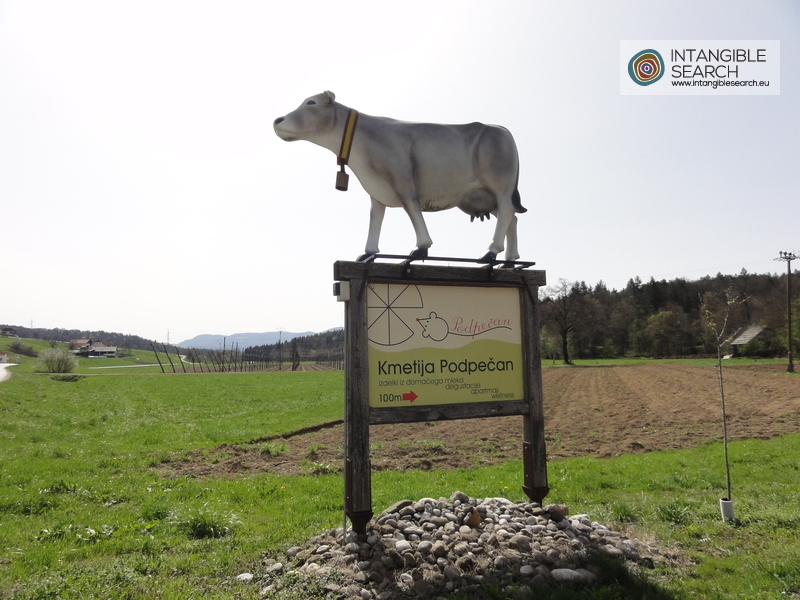
From Community
Tell us about it