-

Carnevale di Schignano. Momento di sosta del corteo. Belli e altre maschere - Scianna Ferdinando
-

Carnevale di Schignano. Roberto Leydi registra la bandella - Scianna Ferdinando
-

Carnevale di Schignano. La Ciocia - Scianna Ferdinando
-

Carnevale di Schignano. Carlisèp trasportato sulla slitta, un Bello inchinato su di lui e la Ciocia - Scianna Ferdinando
-

Carnevale di Schignano. Rogo del Carlisèp - Scianna Ferdinando
-

Carnevale di Schignano. Vestizione di un Bello - Navoni Pierluigi
-

Carnevale di Schignano. Vestizione di un Bello - Navoni Pierluigi
-

Carnevale di Schignano. Vestizione dei Belli - Navoni Pierluigi
-

Carnevale di Schignano. Corteo - Navoni Pierluigi
-

Carnevale di Schignano - Navoni Pierluigi
-

Carnevale di Schignano. Due Brutti - Navoni Pierluigi
-

Carnevale di Schignano. Oggetti utilizzati dai Brutti - Navoni Pierluigi
-

Carnevale di Schignano. Brutto con testa di mucca - Navoni Pierluigi
-

Carnevale di Schignano. Ritratto di Bello - Navoni Pierluigi
-

Carnevale di Schignano. Ritratto di Bello con ombrello - Navoni Pierluigi
-

Carnevale di Schignano. Belli e Ciòcia in piazza San Giovanni - Navoni Pierluigi
-

Carnevale di Schignano. Ciòcia tra la folla - Navoni Pierluigi
-

Carnevale di Schignano. Carlisèp con Belli e Brutti - Navoni Pierluigi
-

Carnevale di Schignano - Navoni Pierluigi
-

Carnevale di Schignano. Sentenza - Scianna Ferdinando
-

Carnevale di Schignano. Il primo Bello si prepara a uscire con la lanterna - Scianna Ferdinando
-

Carnevale di Schignano. Il primo dei Belli in strada con la lanterna - Scianna Ferdinando
-

Carnevale di Schignano. Belli - Scianna Ferdinando
-

Carnevale di Schignano. Folla e maschere in piazza San Giovanni - Scianna Ferdinando
-

Carnevale di Schignano. Sapeur - Scianna Ferdinando
-

Carnevale di Schignano. Bello con maschera al collo - Scianna Ferdinando
-

Carnevale di Schignano. Brutto in posa - Scianna Ferdinando
-

Carnevale di Schignano. Brutto con copricapo di corna bovine - Scianna Ferdinando
-

Carnevale di Schignano. Brutto con maschera al collo e coniglio - Scianna Ferdinando
-

Carnevale di Schignano. Rogo del Carlisèp - Scianna Ferdinando
-

Carnevale di Schignano - Rossella Schillaci
-
Carnevale di Schignano. Preparazione dei brutti - Rossella Schillaci
-
Carnevale di Schignano. Preparazione dei belli - Rossella Schillaci
-

Carnevale di Schignano. Coscritti trasportano il Carlisèp - Ronzio Diego
-

Carnevale di Schignano. Brutto e veduta del paese - Ronzio Diego
-

Carnevale di Schignano. Coscritti danzano intorno al Carlisèp - Losito Laura
-

Carnevale di Schignano. Ritratto di bello con maschera al collo - Ronzio Diego
-

Carnevale di Schignano. Brutto tra la folla - Losito Laura
-

Carnevale di Schignano. Coscritti trasportano il Carlisèp - Losito Laura
-

Carnevale di Schignano. Fuga del Carlisèp - Ronzio Diego
-

Carnevale di Schignano. Folla in piazza San Giovanni - Ronzio Diego
-

Carnevale di Schignano. Fuga del Carlisèp - Ronzio Diego
-

Carnevale di Schignano. Bandella in corteo - Ronzio Diego
-

Carnevale di Schignano. Maschere in piazza San Giovanni - Losito Laura
-

Carnevale di Schignano. Bello con la Ciòcia - Losito Laura
-

Carnevale di Schignano. Coscritti trasportano il Carlisèp - Losito Laura
-

Carnevale di Schignano. Brutto corre per il paese - Ronzio Diego
-

Carnevale di Schignano. Carlisèp esposto in piazza San Giovanni - Losito Laura
-

Carnevale di Schignano. Maschera del brutto - Losito Laura
-

Carnevale di Schignano. Ritratto di Sapör - Losito Laura
-

Carnevale di Schignano. Coscritti trasportano il Carlisèp - Losito Laura
-

Carnevale di Schignano. Brutti in posa - Ronzio Diego
-

Carnevale di Schignano. Apertura del corteo - Losito Laura
-

Carnevale di Schignano. Coscritti danzano intorno al Carlisèp - Ronzio Diego
-

Carnevale di Schignano. Corteo - Losito Laura
-

Carnevale di Schignano. Bello cammina per il paese - Losito Laura
-
1971


1980


1981


2010

2011


Back to search
Category
RitualsTAG
WHERE
Schignano (CO), Lombardia - Italy
The traditional route of the procession includes all the hamlets of Occagno, Retegno, Ovrascio, Perla.
WHEN
Roman Carnival, first Saturday and Sunday
Carnival in Schignano
The carnival of Schignano – a small center of Valle Intelvi – takes place the Saturday and the Tuesday before the Lent. The carnival displays two opposites: The Fair and The Ugly. Local sculptors create splendid wooden masks for the occasion.
The Fair – mascarùn – wear finely decorated clothing with ribbons and jewelry displaying their wealth as well as their polite and elegant behaviour. The Ugly wear raggedy clothes, necklaces made out of beans and animal hides. They carry around loud bells and display scary and deformed faces.
The Fair get dressed in their houses with the help of women: they wear elaborately decorated cotton socks, a large bodice – originally wadded with beech leaves, today also with foam rubber – ornately decorated with lace, chains and precious objects. Some wear handkerchiefs or small shawls on their shoulders, multicolored striped wool sleeves on their forearms and colorful wool pompoms. They tie four bronze bells around their waist covering them with a flounce of lace. The Fair wear wooden masks and expensive hats with flowers, lace, festoons, bows, small dolls and felt animals. A long tail of wide multicolored ribbons falls down from the back of the hat all the way down the back. The Fair wear gloves and carry "fair" objects such as parasols, mirrors, fans and small statues around.
Once outside - recognized by the sound of their bronze bells – The Fair gather in small groups, approach the people they meet and while holding their arms up shoulder height move their hips making the bells ring. With their right hand they hold their fair objects up for everyone to see. The Fair are lords, polite and elegant and displayers of their considerable wealth. The Fair lord drags behind him the Ciòcia - the mask representing the wife of mascarùn - held tied by a piece of rope and wearing old-fashioned women's clothing. The Ciòcia has her face painted black and holds spinning tools (distaff and spindle) in her hand.
The masks of The Ugly – brüt - are the exact opposite of the masks of The Fair. They get dressed in the outskirts of the village (not in their homes) all together helping each other. They wear old work outfits, worn out and frayed clothing and old wood socks, broken shoes and at times jute bags. The costume is enhanced with rags, pieces of cloths and bags and sheep or rabbit skins. They wear their hair messy, necklaces made of beans, rough bells made of cans and repulsive objects; some carry around gaskets, others old suitcases. The Ugly tend to move slowly or to run around to all of a sudden stop to either lean at a wall or fall down pretending to be dead to then get up and continue running around. Some of The Ugly ignore the public around them; others behave more aggressively towards the spectators. They make noise, approach the people and touch them with dirty or wet rags.
At dawn on Tuesday a small group of people walks the streets to announce the opening of the carnival. In the morning the masks come out alone or in small groups. Around two in the afternoon they gather in piazza San Giovanni to wait the starting of the procession. Here two new characters appear. The Sapör open the procession and are the first ones of the train marching like soldiers, always looking forward. They wear tall hats made of sheep skins, spats, a long leather coat, a long beard and a tow-coloured moustache and have their faces painted black. The Sapör. Another character – sigürtà - marches at the beginning of the train acting as security. They wear a military-style hat, a cloak and a band saying sigürtà. A marching band - fughéta- follows the sigürtà playing throughout the procession.
Besides the masks and permanent procession characters there are several other characters that are played by either individual people or entire groups. These characters are either fruits of imagination or inspired by current events.
The procession then proceeds to the nearby hamlets were with every stop masks perform dances. The sigürtà starts the procession every time and the masquerade continues in the order established by the tradition. At dusk they gather back to piazza San Giovanni where - Carlisèp - another character joins the carnival. The puppet (with a black mask and filled with straw that sticks out from its blue overalls and eyes) is hung in the piazza for a few days. The arrival of the puppet on a sleigh carried by a group of young people determines the reaction of the masks. The puppet transforms magically into a living mask and flees in the streets of the village to escape the fire that signals the end of the carnival. The fleeing living mask is then captured two or three times. The Fair kneel in front of the the puppet, wipe its face dry, pretend to cry and mourn. The Ciòcia rejoices with The Ugly for the death of the carnival. Someone tries to reanimate the Carlisèp and at times Ciòcia lets out a lament. In the end the puppet is proclaimed dead and in brought by the procession to the village hall where the evening ball takes place. Meanwhile piazza San Giovanni is prepared for the midnight burning of the Carlisèp. This ends the show and the glare of the bonfire ends the carnival.
LEARNING AND TRANSMISSION
The participation of the whole community and especially the young helps keep the tradition and transmittance of the ritual alive. The execution of the masquerade practically stays the same year after year besides certain aspects concerning the route of the procession and the final representation of the death of Carlisèp. The young decide the particulars of the show and the duration of the escape of the puppet.
COMMUNITY
A significant part of the community participates in the masquerade. Also children dress up and possibly play important roles in The Fair and The Ugly wearing smaller wooden masks made by local craftsmen. You can say the whole village participates in the ritual; the ones who do not dress up still gather to piazza San Giovanni and follow the procession. The young participate in great numbers and they organize the masquerade and the Carlisèp show. In fact the group of youngters that have come of age manages the event. The Carlisèp is played by one of them.
The municipal tourist board of Schignano sustains, promotes and organizes the carnival days and the ball on Tuesday evening. A marching band plays at the carnival with the players of the Schignano band.
PROMOTIONAL ACTIONS
The Schignano carnival brings numerous tourists to the village. The municipal tourist board organizes several acts in order to appreciate and spread the carnival. News and more information are given in several provincial websites as well as those of the Valle.
PROTECTIVE MEASURES
The carnival of Schignano is a member of R.E.I.L. (Registro delle Eredità Immateriali Lombarde), a project of appreciating, protecting and promoting the cultural property, traditional knowledge and ritual practices of the region of Lombardy.
Related Intangible Heritage
Wooden mask sculptors of Schignano
To learn more
Bibliography
Como e il suo territorio - Il carnevale di Schignano e le sue maschere
Silvana 1978
Il carnevale di Schignano in Val d'Intelvi
Bellavite 2002
Material resources
Collections of wooden masks by local craftsmen
Produced by
Regione Lombardia - Archivio di Etnografia e Storia Sociale - Agostina Lavagnino
Release Date
13-NOV-2013 (Agostina Lavagnino)
Last update
19-SET-2017 (Agostina Lavagnino)
Tweet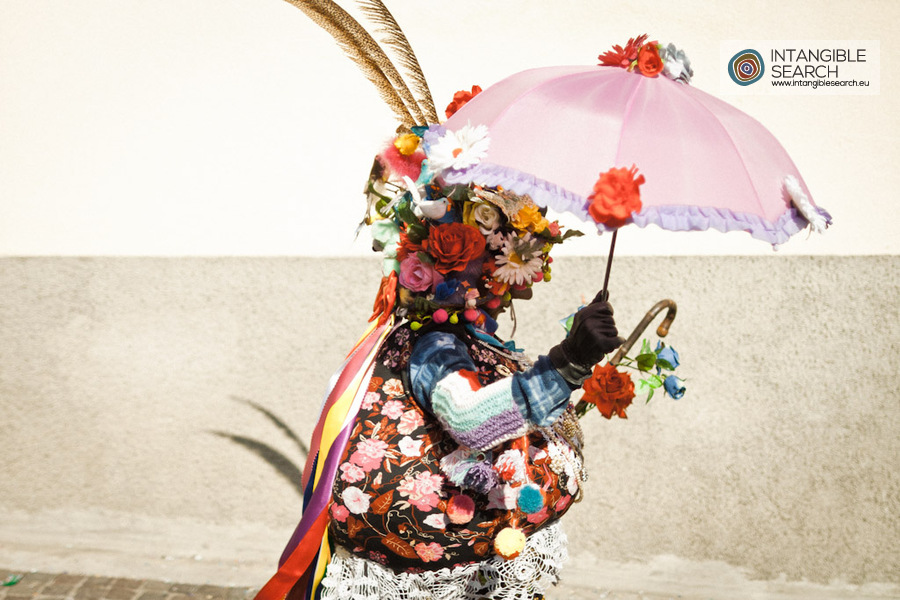
From Community
Tell us about it